6 in 10 UK brands are turning tote bags into identity merchandise
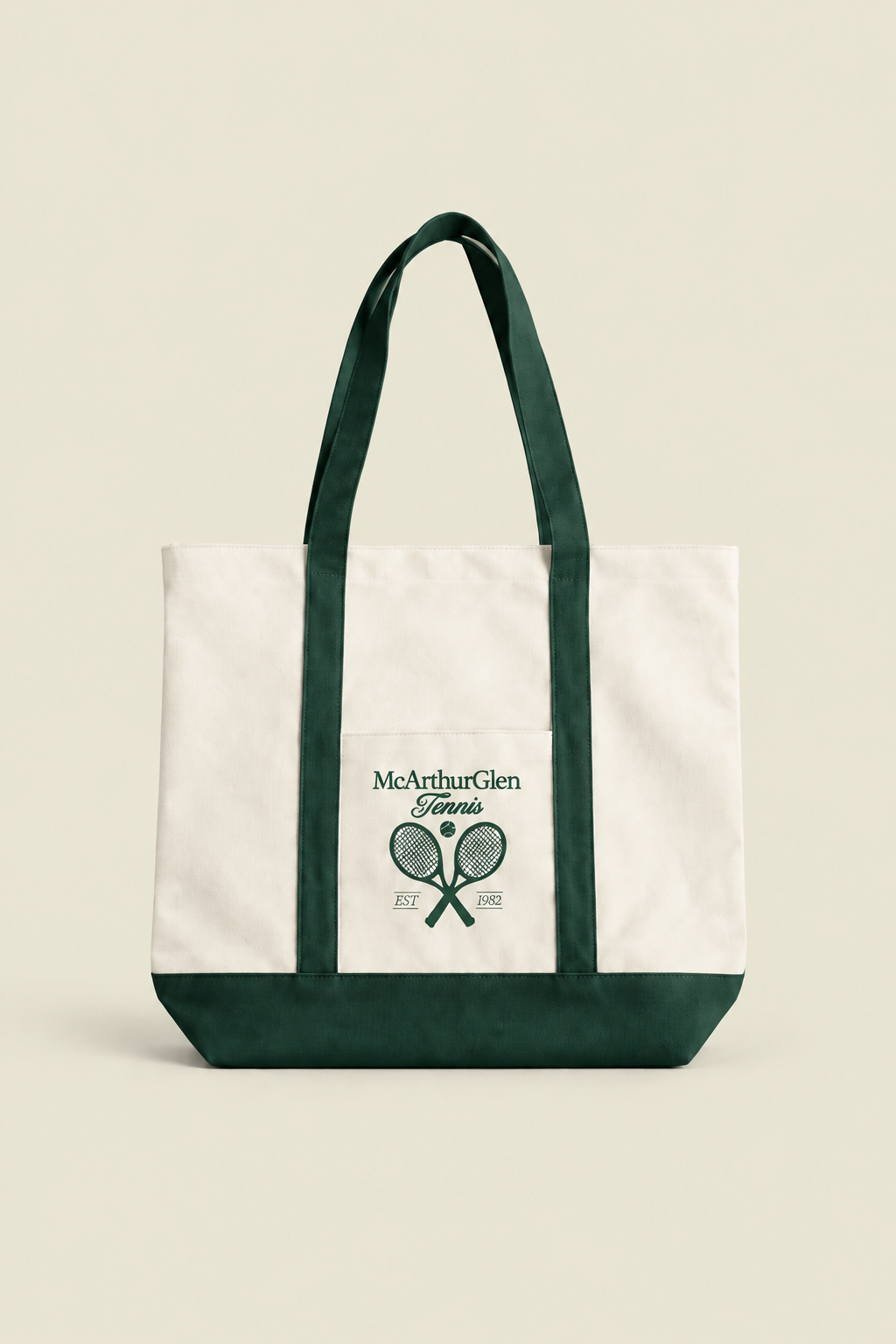
What is an identity-led tote bag?
For this research, we defined an identity-led tote as a bag where the brand name, location, logo, distinctive artwork or collaboration is a central part of its appeal.
In other words, these are bags people may choose to carry because of what they say about the person carrying them — not simply because they need a bag.
We deliberately separated these from conventional fashion handbags and tote bags sold primarily as accessories.
Our research examined 100 recognisable brands and organisations across five sectors:
- Food and grocery
- Fashion and retail
- Culture and books
- Lifestyle, beauty and home
- Sport and outdoor
Overall, 57% had an identity-led tote.
Among cultural organisations and booksellers that figure rose to 100%, while 13 of the 20 food and grocery brands we examined had an identity-led tote or branded collaboration
From shopping bag to status symbol
Some branded totes have become recognisable well beyond the businesses that originally created them.
Daunt Books is one of the clearest UK examples. Its canvas tote has become closely associated with the London bookseller and is now carried around the world.
The company itself describes its canvas bags as its “iconic Daunt Books bags”. The trend is also visible internationally. Trader Joe’s has seen extraordinary demand for its inexpensive mini canvas totes, saying that hundreds of thousands sold within a single week following their launch.
The bags have subsequently developed their own secondary market. One recent Trader Joe’s tote release recorded more than 400 transactions on StockX in just three months, despite originally being sold as an inexpensive grocery-store product.
The appeal is no longer solely about having something reusable. Customers are actively seeking out particular designs, colours and brands.
Supermarkets are getting involved too
The idea has increasingly moved into mainstream grocery retail. Limited-edition supermarket bags demonstrate how retailers can turn something as functional as a reusable carrier into a product customers actively look for.
Designer Anya Hindmarch’s Universal Bag project, for example, has worked with major grocery retailers to create retailer-specific versions of its reusable bag.
Different colours, limited availability and recognisable branding have helped turn some of these bags into collectable products rather than generic carriers.
Other supermarkets have also experimented with more distinctive branded reusable bags, reflecting a broader change in how retailers think about packaging
:
Four in five cost £20 or less
One of the most interesting findings from our research is that this is not primarily a luxury trend.
We were able to capture comparable prices for 49 of the identity-led totes identified. Of those, 39 (80%) were priced at £20 or less.
That puts many branded totes in a very different category from traditional fashion accessories.
They are relatively inexpensive products that can be bought by large numbers of customers and then remain visible long after the original transaction.
This accessibility may be an important part of why the tote has become such an effective expression of brand identity.
What can retailers learn from the rise of the branded tote?
For retailers, the trend raises a broader question about the role of packaging.
A shopping bag is one of the few pieces of a retailer’s branding that physically leaves the store with the customer.
That principle applies whether the customer is carrying a distinctive printed paper bag down the high street or using a branded cotton tote months after making the original purchase.
Jon Marling, founder of retail packaging specialist BagKraft, explains:
“Retailers have always understood that the bag leaving the shop carries their name with it. Whether that's a well-designed printed paper bag being carried down the high street or a tote somebody takes to work every week, it is one of the few pieces of branding that physically leaves with the customer.
“What has changed is that some businesses are now making the bag desirable in its own right. Bookshop totes, museum bags and supermarket collaborations have become things people actively choose to carry because they identify with the brand, place or design.
“That should be interesting to any retailer thinking about its packaging. A paper carrier bag can make the purchase feel considered and distinctive at the point of sale, while a reusable tote can extend that visibility much further if the customer genuinely wants to keep using it.
“The opportunity is to stop thinking of the bag as an afterthought. Whether you're designing branded paper bags, carrier bags or reusable totes, the question should be the same: does this look and feel good enough that somebody is pleased to walk out carrying our name?”
Good packaging should be something customers want to carry
Not every retailer needs to create a collectable tote bag.
There is still an important role for well-designed paper bags, printed carrier bags and other retail packaging, particularly where the priority is presentation at the point of purchase.
But the rise of the identity tote illustrates a useful principle for any business choosing its packaging: the more desirable the bag, the more likely a customer is to keep carrying the brand.
Materials, print quality, colour, handles, proportions and graphic design can therefore contribute to more than the practical performance of a bag. Together, they shape how customers perceive the business whose name appears on it.
For some brands, that has turned a simple tote into recognisable merchandise.
For others, the same thinking can help transform an everyday paper carrier bag into a more memorable part of the customer experience.
BagKraft’s 100-brand tote bag research
BagKraft conducted an exploratory desk audit of 100 leading consumer-facing brands and organisations with a UK presence in September 2026.
The sample was deliberately selected across five sectors and should not be treated as statistically representative of every UK business. The findings describe the 100 organisations included in our audit.
|
Sector |
Brands researched |
Brands with an identity-led tote |
Share with identity-led tote |
|
Culture and books |
20 |
20 |
100% |
|
Food and grocery |
20 |
13 |
65% |
|
Lifestyle, beauty and home |
20 |
11 |
55% |
|
Fashion and retail |
30 |
10 |
33% |
|
Sport and outdoor |
10 |
3 |
30% |
|
Total |
100 |
57 |
57% |
Conclusion
An identity-led tote was defined as a tote where the brand name, venue, logo, distinctive graphic, community identity or branded collaboration was a central element of the product’s appeal. Conventional handbags and totes sold primarily as fashion accessories were classified separately.